The Complete Guide to Raccoons in Florida and How They are Disrupting the Environment
Raccoons
We believe in humanely retrieving and relocating wildlife, call now for Affordable Wildlife Removal in Orlando.
Raccoons Around Your Home
What Is A Raccoon?
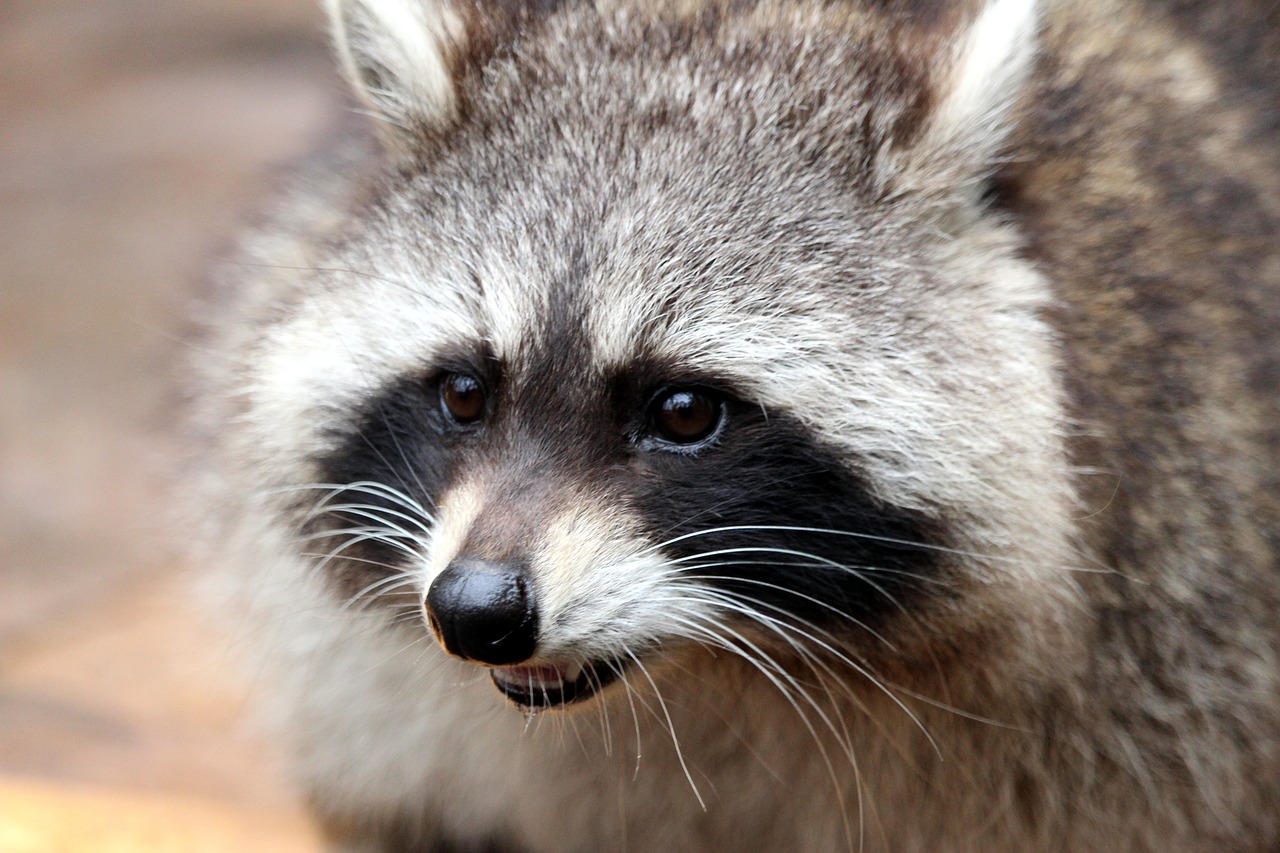
The raccoon (Procyon lotor) is a medium-sized mammal that appears throughout Florida and the rest of North America. Its black mask makes it simple to recognize. Raccoons are found in both urban and backwoods and are a species that flourishes around people.
They are native just to North America. Not quick, but they can reach speeds up to 15 miles per hour. Raccoons are good climbers and climb down trees headfirst. Raccoons are normally nocturnal and generally invest daytime hours at rest. Five dexterous toes are on their forefeet, allowing them to grasp and manipulate food and other objects. 1
Physical Characteristics Of The Raccoon
The raccoon is a native mammal, determining about 3 feet long, including its 12-inch, bushy, ringed tail. Due to the fact that their hind legs are longer than the front legs, raccoons have a hunched look when they stroll or run. Each of their front feet has 5 dexterous toes, enabling raccoons to comprehend and control food and other products.
Adult raccoons weigh 15 to 40 pounds, their weight is an outcome of genes, age, available food, and environment location. Males have weighed in at over 60 pounds.
A raccoon in the wild will most likely weigh less than the urbanized raccoon that has actually learned to survive on handouts, animal food, and garbage-can leftovers.2
What Color Is A Raccoon?
The species has grayish brown fur, nearly 90% of which is dense underfur to insulate the animal versus the cold. 5 to 8 light and dark rings alternate on its tail.
The mask of black fur that covers a raccoon’s eyes is its most characteristic and familiar function. One hypothesis for the dark fur is that it might help in reducing glare and enhance the animal’s night vision. 3
Do Raccoons Have Thumbs?
Raccoons have incredibly delicate hands, with five long, tapered fingers and long nails. They do not have thumbs, so can’t manipulate things with one hand the way we can, but they use both forepaws together to raise and after that acutely manipulate objects.
Thanks to this tactile intelligence, raccoons are problem solvers that adapt quickly to cities, residential areas, and other manmade environments Their paws are what give them extreme grip and allow the animal to climb quickly up most obstacles. 4
Where Do Raccoons Like To Live?
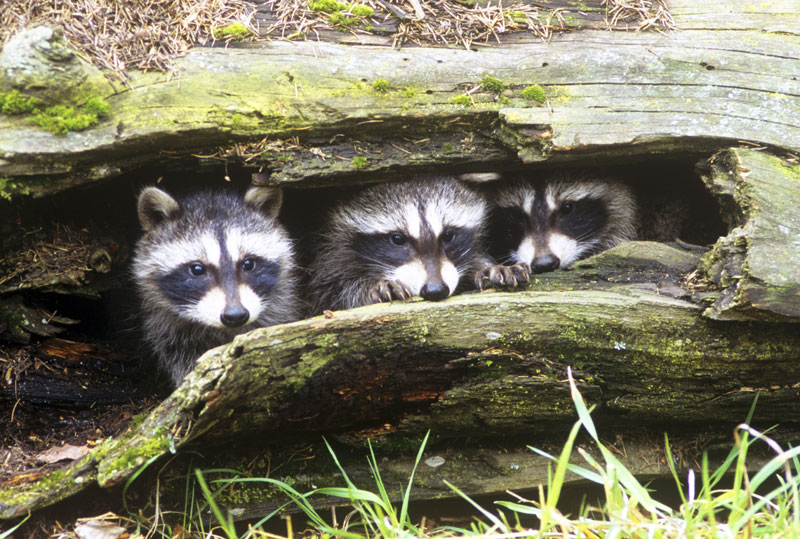
Just about anywhere, these clever little mammals can survive. Their chosen natural environments were woodlands prior to urbanization, preferably areas with water sources where they could search for crustaceans.
The urban jungle nowadays offers everything they need to live to a booming population of raccoons. With the establishment of towns and cities, raccoon communities have thrived. As long as they have somewhere to climb and escape danger, and somewhere to give birth, they are good to go! 5
Typical Habits & Tendencies Of Raccoons
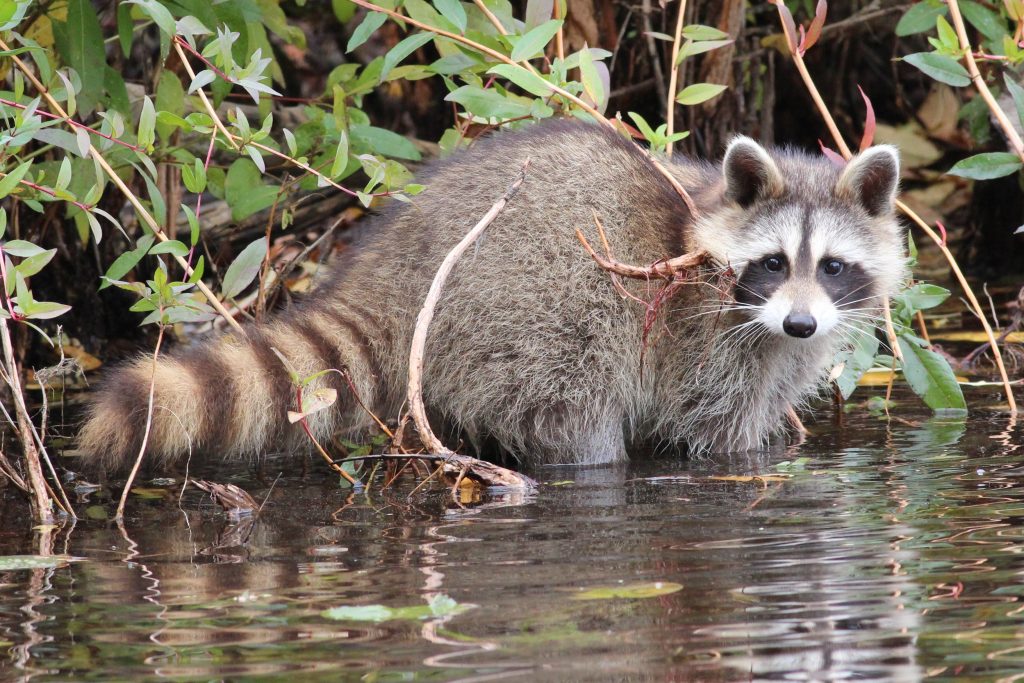
Raccoons are not creatures that are very social. They are nocturnal and during the day and they sleep. They prefer to sleep more during the winter, but, in the conventional sense, they do not hibernate.
Although their bodies live off stored fat, they sleep for potions of the day and venture out at night. During winter, they lose about 50 percent of their body weight.
These creatures look like dirty backyard outlaws, but raccoons are very clean animals. In areas they regularly frequent, they are known to wash their food in streams and even dig latrines. 6
What Will Raccoons Eat?
The raccoon is omnivorous which suggests they eat both plants and animals. Their diet plan is really broad, including water animals, fruits, nuts, cultivated crops and grains, birdseed, bird eggs, small mammals, birds, and trash.
Raccoons can be pests by damaging vegetable gardens and crops, by eliminating poultry, by damaging houses/sheds and by raiding garbage cans in search of food. 7
Diseases Carried By Raccoons
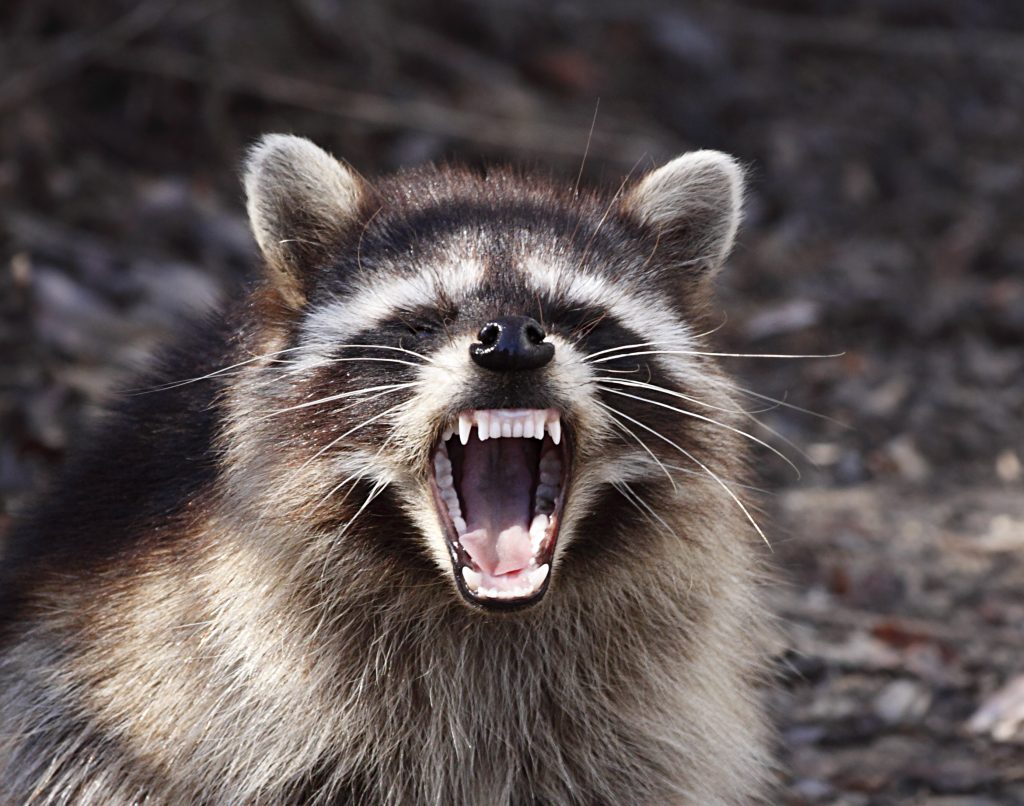
Raccoons can, through the use of their scratches and bites or even through indirect touch, transmit diseases. When raccoons get used to living in the suburbs, they also raise the chance of catching the diseases they bear. The infectious diseases caused by raccoons have risen and can be spread to individuals much more easily. 8
If you have children at home, they are also at a higher risk of having these diseases because they tend to play outdoors and could be in close contact with the raccoon’s feces or urine. Common carried diseases consist of:
- Leptospirosis– a bacterial disease that affects humans and animals
- Roundworm– common parasitic worms found in mammals
- Salmonella– bacterial disease that affects the intestinal tract
- Rabies– viral disease transmitted through bites, infects the central nervous system of mammal
How Can Raccoons Enter Your Home?
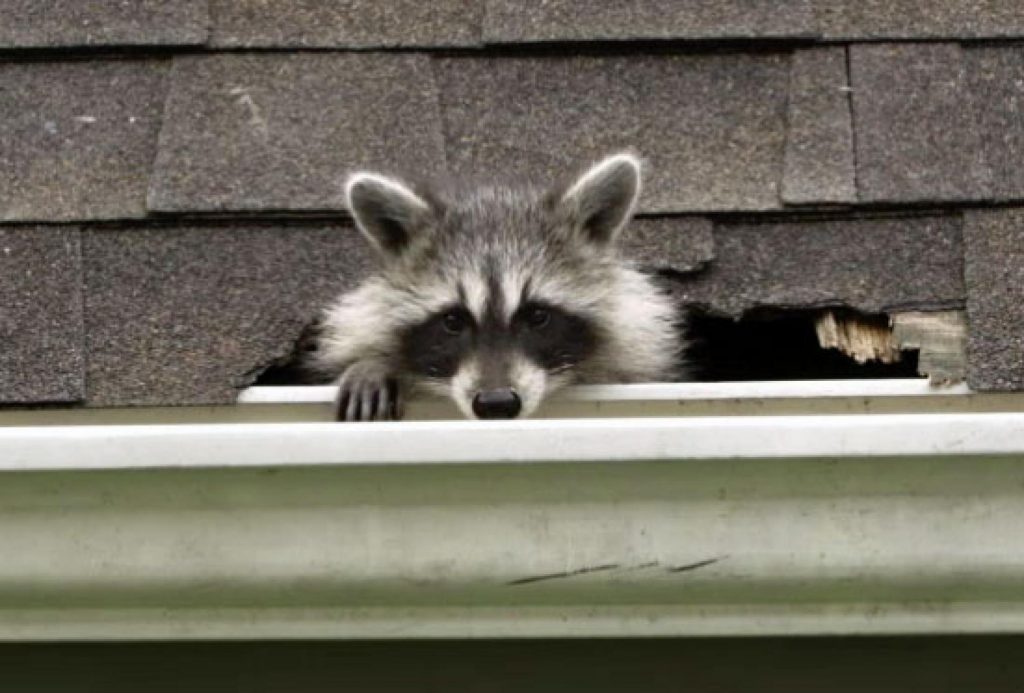
There are many ways a raccoon can get inside a building. They could rip a soffit open, go through an open vent, or even tear a hole in the wall. Usually, they do not intend to get into the living space, but it occurs when looking for a safe shelter.
That happens often by accident. They usually want to live someplace away from you in the attic or walls, where they can live and sleep and nest and raise their youth in peace. Unfortunately, they usually create a lot of noise and a lot of damage while doing so.
What Kind Of Damage Are Raccoons Capable Of?
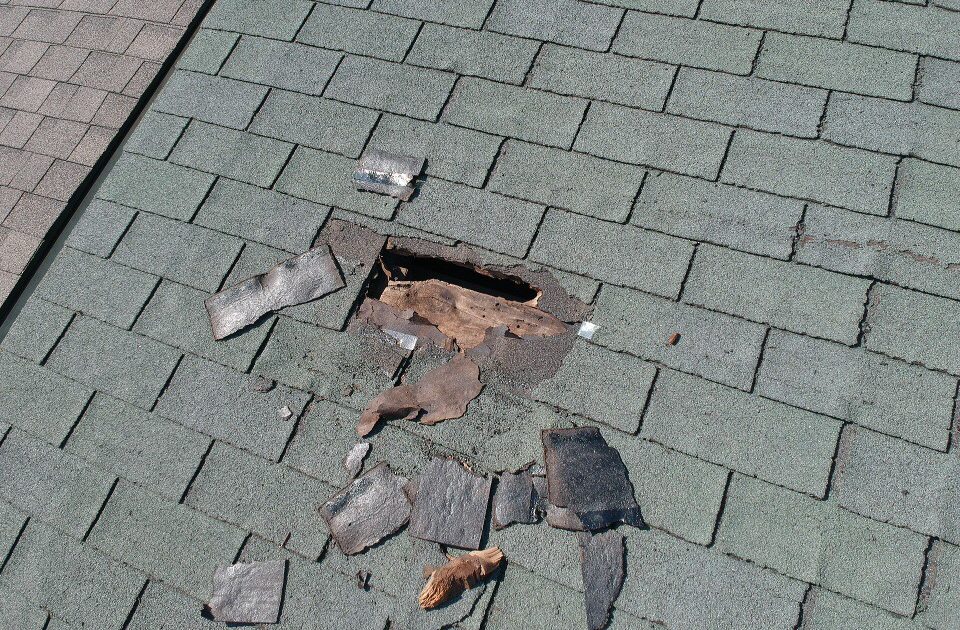
Raccoon damage to yards, roofs, and houses can costs thousands of dollars in fixes every year for homeowners. Their agile paws make it possible for them to rip into materials that would discourage other creatures, contributing to property damage.
When raccoons take shelter in houses, the most costly issues occur. Often they pull shingles and boards from roofs to climb into attics because the pests are strong enough. Raccoons on roofs can cause your property to be seriously damaged. Soffits, floor boards, shingles, vents, and insulation are known to be damaged by females to create denning sites.
It becomes a simple route to the attic if a raccoon makes or enlarges a hole in the rooftop. When raccoons nest in houses, their accumulated waste quickly destroys insulation and saturates woodwork. Their feces spread raccoon roundworm, which for residents repairing raccoon damage to homes is a serious health hazard. Furthermore, fleas and ticks in raccoon fur can be transferred to individuals or pets.
The Trapping & Removal Of Raccoons

Raccoons are a protected species and in most states, gain extra legal protection as game animals. Live trapping and relocation may not be an option, as the transfer and release of captive animals to locations other than the original capture site is illegal in certain states.
Outside of the specified seasons, only certified wildlife specialists and licensed trappers may remove and take control of problem raccoons.
Cornering a raccoon and attempting to trap the animal is ill-advised. Once backed into a corner, the animal may feel threated and attack. Call Affordable Wildlife Removal for a professional removal service to ensure the safety of your home and the safety of the animal.
Summary: Raccoons are smaller mammals that have black, grey and white fur. They can be found in both rural and urban environments, and have the ability to adapt in any environment they find themselves in. Only found in North America, raccoons have tactile paws that allow them to climb most obstacles.
Raccoons will eat both plants and smaller animals. Gardens and trash around the home will attract these animals if not secured properly. If backed into a corner a raccoon will attack as a natural reaction making it dangerous for an inexperience person doing the removal.
These nocturnal creatures will enter your home to seek shelter and may bring diseases with them. Raccoons will den in your attic for safety and a place to raise their young. Trapping and removal should be done by professional due to removal laws and safety concerns. Contact a professional raccoon removal expert to properly/safely remove the animal from your home.
The Complete Guide to Raccoons in Florida and How They are Disrupting the Environment
Introduction: What is a Raccoon?
Raccoons are a type of mammal that is native to North America. They are known for their black masks and bushy tails. Cartoons often paint them out to be like little thieves.
Raccoons are nocturnal animals that live in forests, marshes, and urban areas. They have a knack for getting into trash cans, attics, and even houses to find food. They are extremely well at adapting to their environment. Since they have thumbs just like humans do, they have such a huge advantage to finding food such as lifting up trash lids to eat or opening doors.
How to Identify a Raccoon
Raccoons are usually nocturnal animals. They can be identified by the black fur on their masks and their ringed tail.
This paragraph is about how to identify a raccoon. They are usually nocturnal animals and can be identified by the black fur on their masks and their ringed tail.
Raccoons as Pets
Raccoons are wild animals that were originally native to North America. They were once hunted for their fur and meat, but now they are popular pets all over the world.
Raccoons are nocturnal animals, which means they sleep during the day and come out at night. They may be active during the day if they have been disturbed. They also have a tendency to climb around, so you need to be prepared for that if you plan on having them as pets in your home.
What Do Raccoons Eat?
Raccoons are often considered a pest because they will eat anything. They will eat anything from vegetables to meat to garbage.
Raccoons are omnivores and they will eat anything given the opportunity. They have a varied diet and they can survive on whatever food is available in their environment.
Where Do Racoons Live?
Racoons are nocturnal animals that live in North America, Europe and Asia. They are found in forests, woodlands and urban areas.
They eat a variety of foods from fruits to insects to small animals like birds and rodents. They have a distinctive black mask on their eyes and white fur on the chest.
How To Get Rid of A Raccoon In Your House or Yard
Raccoons are one of the most common types of animals that invade homes and yards. They are particularly attracted to areas where there is a lot of food, such as garbage cans or pet food.
The best way to get rid of raccoons from your home is to seal up any areas that they could be entering through. This includes sealing up any holes or gaps in the roof, chimney, vents and pipes. If you have an outdoor area that has garbage cans or pet food, make sure to keep them in a shed with a lock on it.
The post The Complete Guide to Raccoons in Florida and How They are Disrupting the Environment appeared first on Affordable Wildlife Removal (321) 329-3012.
source https://awremoval.com/raccoons-florida/
source https://awremoval.blogspot.com/2022/03/the-complete-guide-to-raccoons-in.html

Comments
Post a Comment